Blog
Understanding Seborrheic Dermatitis, Dandruff, and Psoriasis

Skin conditions can often be confusing, especially when they share similar symptoms. Three common scalp-related issues are seborrheic dermatitis, dandruff, and psoriasis. This article aims to clarify the differences between these conditions, helping you to identify them accurately.
What is Seborrheic Dermatitis?
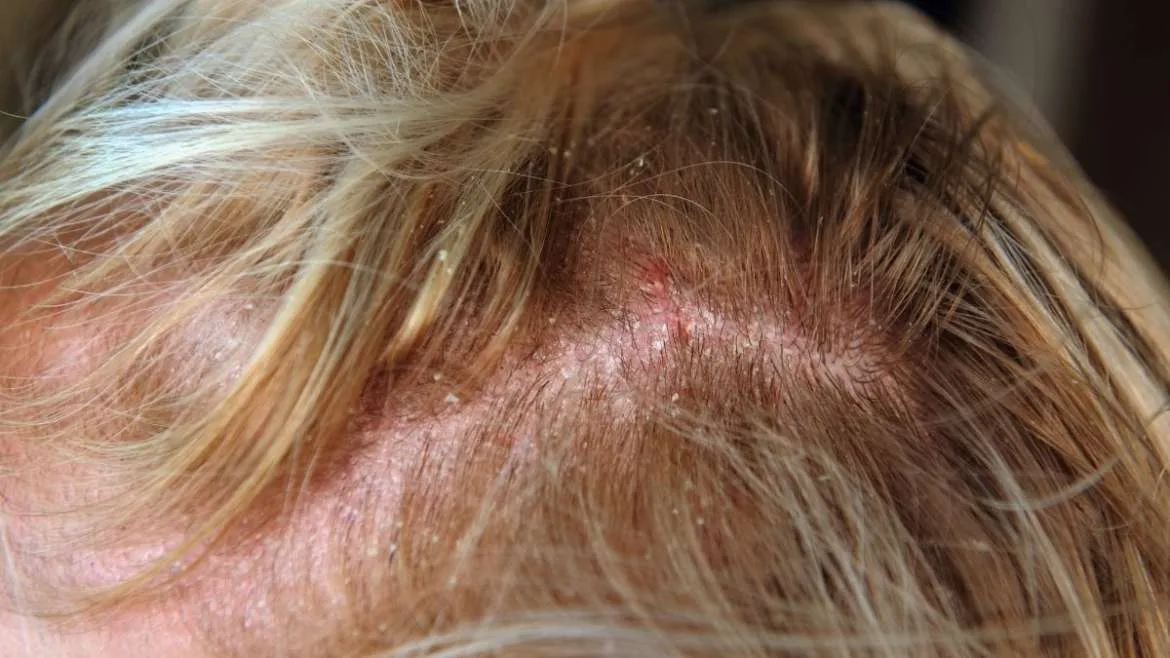
Seborrheic dermatitis is a chronic inflammatory skin condition that primarily affects areas of the body rich in sebaceous (oil) glands, such as the scalp, face, and upper back. It is characterized by:
- Red, greasy patches on the skin
- Yellow or white scales that can flake off
- Itching or irritation in affected areas
This condition can also affect infants, commonly known as cradle cap, and can improve with proper care.
What is Dandruff?
Dandruff is a milder scalp condition that manifests as flakes of dead skin. While it is often confused with seborrheic dermatitis, there are key differences:
- Flakes are typically white or gray and less oily than those seen in seborrheic dermatitis.
- Scalp irritation may be present, but it is usually less severe.
- Dandruff does not usually cause redness or inflammation of the scalp.
Dandruff can be triggered by a variety of factors, including dry skin, sensitivity to hair products, or a yeast-like fungus known as Malassezia.
What is Psoriasis?
Psoriasis is a chronic autoimmune condition that can affect the skin and joints. It is characterized by:
- Thick, red patches covered with silvery scales
- Severe itching and discomfort
- Cracking and bleeding in extreme cases
Psoriasis can occur anywhere on the body, including the scalp, and can be more severe than both seborrheic dermatitis and dandruff.
Key Differences Between the Conditions
While seborrheic dermatitis, dandruff, and psoriasis can have overlapping symptoms, there are distinct characteristics that set them apart:
- Appearance: Seborrheic dermatitis often presents with greasy, yellowish scales, while dandruff has dry, white flakes. Psoriasis features thick, red patches with silvery scales.
- Location: Seborrheic dermatitis can affect multiple areas, including the scalp and face. Dandruff is primarily a scalp issue, whereas psoriasis can affect larger areas of the body.
- Severity: Seborrheic dermatitis and dandruff are generally milder than psoriasis, which can cause significant discomfort and requires more intensive treatment.
How to Identify Each Condition
Identifying the right condition can help in choosing the appropriate treatment. Here are some tips:
- Observe the Flakes: Check the color and texture of the flakes. White, dry flakes suggest dandruff, while yellowish, oily scales indicate seborrheic dermatitis.
- Check for Redness: If there is significant redness and irritation, it may be seborrheic dermatitis or psoriasis.
- Consider Itching Severity: Psoriasis often comes with severe itching, while dandruff may cause mild irritation.
Management and Care
While it is important to consult a healthcare professional for a proper diagnosis, there are general care tips for managing these conditions:
- For Dandruff: Use anti-dandruff shampoos containing zinc pyrithione or ketoconazole. Regular washing can help reduce flakes.
- For Seborrheic Dermatitis: Look for shampoos with selenium sulfide or coal tar. Keeping the scalp clean and moisturized is essential.
- For Psoriasis: Treatment may involve topical treatments, phototherapy, or systemic medications. Consult a dermatologist for personalized advice.
Understanding the differences between seborrheic dermatitis, dandruff, and psoriasis can help you identify the condition affecting your scalp and seek appropriate care. Remember, while self-care is important, consulting a healthcare professional is crucial for effective management. For more information on skincare products that can help with these conditions, explore our range at Puradoro.