Blog
Seborrheic dermatitis: Have you noticed flakes on your face or scalp?

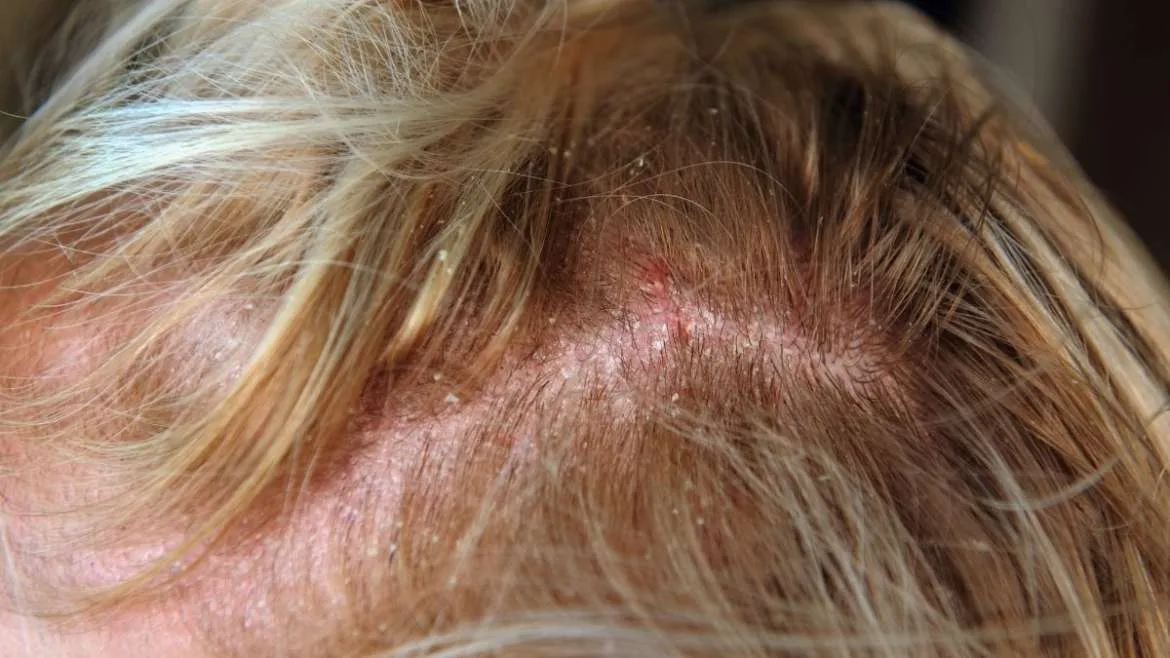
Do you have dandruff or flaky, irritated skin? You may be dealing with seborrheic dermatitis.
Don’t worry, you’re not alone. Seborrheic dermatitis affects many people, causing daily discomfort. Fortunately, with consistent care and the right products, it can be effectively managed.
What exactly is seborrheic dermatitis?
Seborrheic dermatitis is a common skin condition characterized by redness, itching, and flaking. It can occur at any age and affects more men than women, often due to higher activity of sebaceous glands influenced by hormones (androgens). Typically, the first symptoms appear during adolescence or early adulthood, with periodic flare-ups throughout life.
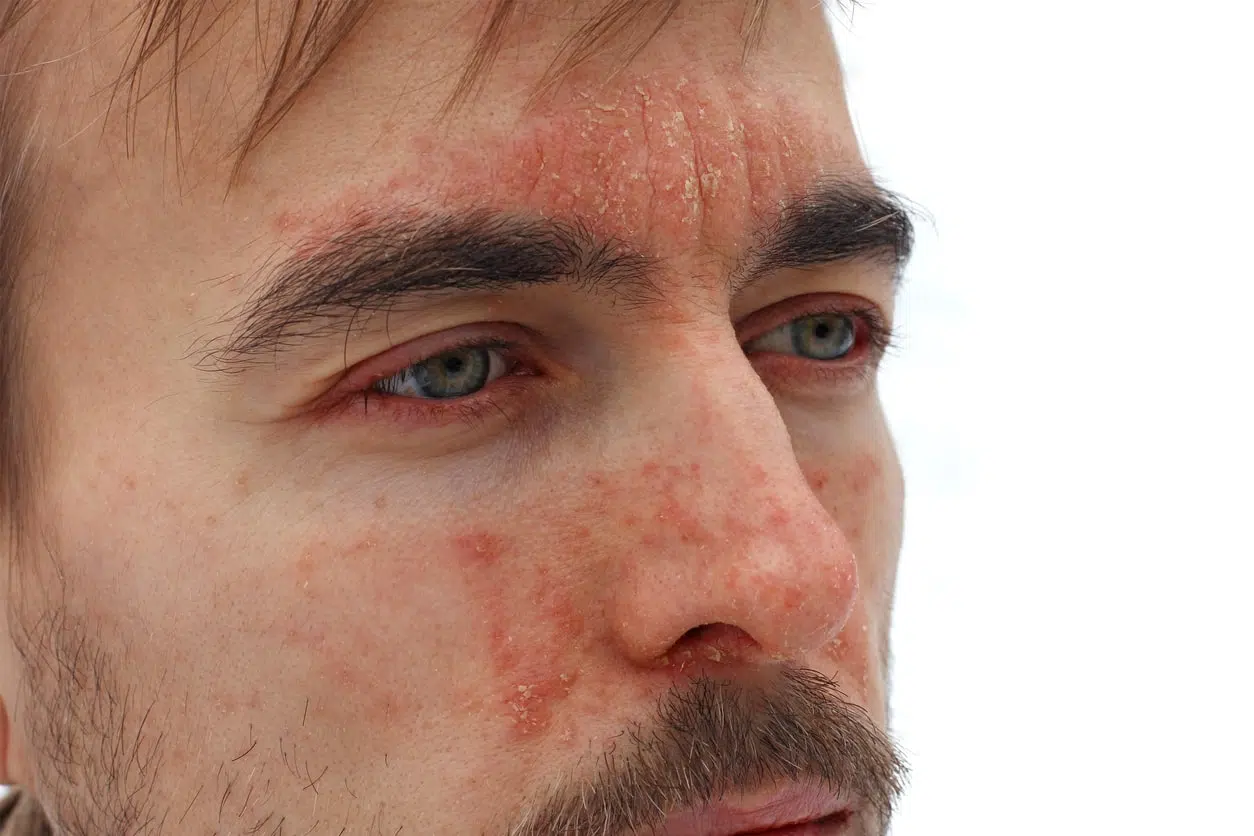
Most commonly, seborrheic dermatitis manifests as dandruff on the scalp. It can also affect areas such as the face, particularly around the nose, eyebrows, ears, as well as the chest, back, and groin, presenting as red, greasy, and flaky patches.
Symptoms and signs of seborrheic dermatitis
Characteristic symptoms include:
- Dandruff or flakes on the scalp.
- Red, greasy patches of skin on the face, especially around the nose, eyebrows, and ears.
- Flaky patches on the chest and back.
Affected areas are often greasy and itchy, causing persistent irritation even after initial treatments.
What causes seborrheic dermatitis?
The exact cause remains somewhat unclear, but it is associated with the excessive growth of naturally occurring yeast, Malassezia, in oily areas of the skin. This proliferation of yeast leads to inflammation and increased turnover of skin cells, resulting in flaking and redness.
Should I be concerned about related health issues?
In most cases, seborrheic dermatitis occurs without a specific underlying disease. However, individuals with weakened immune systems, such as HIV patients, or those with neurological conditions like Parkinson’s disease, as well as people experiencing high stress or climate changes, may experience more severe or frequent flare-ups.
How can I determine if I have seborrheic dermatitis?
The best way to confirm your condition is through a clinical diagnosis by a dermatologist. Typical symptoms include dandruff and gray flakes around the ears or face.
Does seborrheic dermatitis resemble other skin conditions?
Seborrheic dermatitis can mimic several other skin conditions, including eczema, psoriasis, fungal infections, lupus, rosacea, and allergic reactions. If symptoms persist despite treatment, a doctor may recommend a skin biopsy, scraping, or blood tests to make a definitive diagnosis.
Effective treatment for seborrheic dermatitis
Although there is no cure, seborrheic dermatitis can be effectively managed. Typical treatment methods include:
- Shampoos: Using specialized shampoos, such as Puradoro Seborrheic Dermatitis Control Shampoo, two to three times a week helps manage symptoms on the scalp.
- Topical creams: Applying antifungal or soothing creams, such as Puradoro Seborrheic Dermatitis Control Cream, can alleviate redness and itching without strong side effects.
- Serums: Targeted serums, such as Puradoro Seborrheic Dermatitis Control Serum, provide intensive care and help reduce inflammation and flaking.
- Gentle skin care: Regularly cleansing affected areas with a mild soap twice a day can significantly reduce symptoms.
With the right regimen and effective, natural products from Puradoro, seborrheic dermatitis can be kept under control, allowing for healthy and comfortable skin.